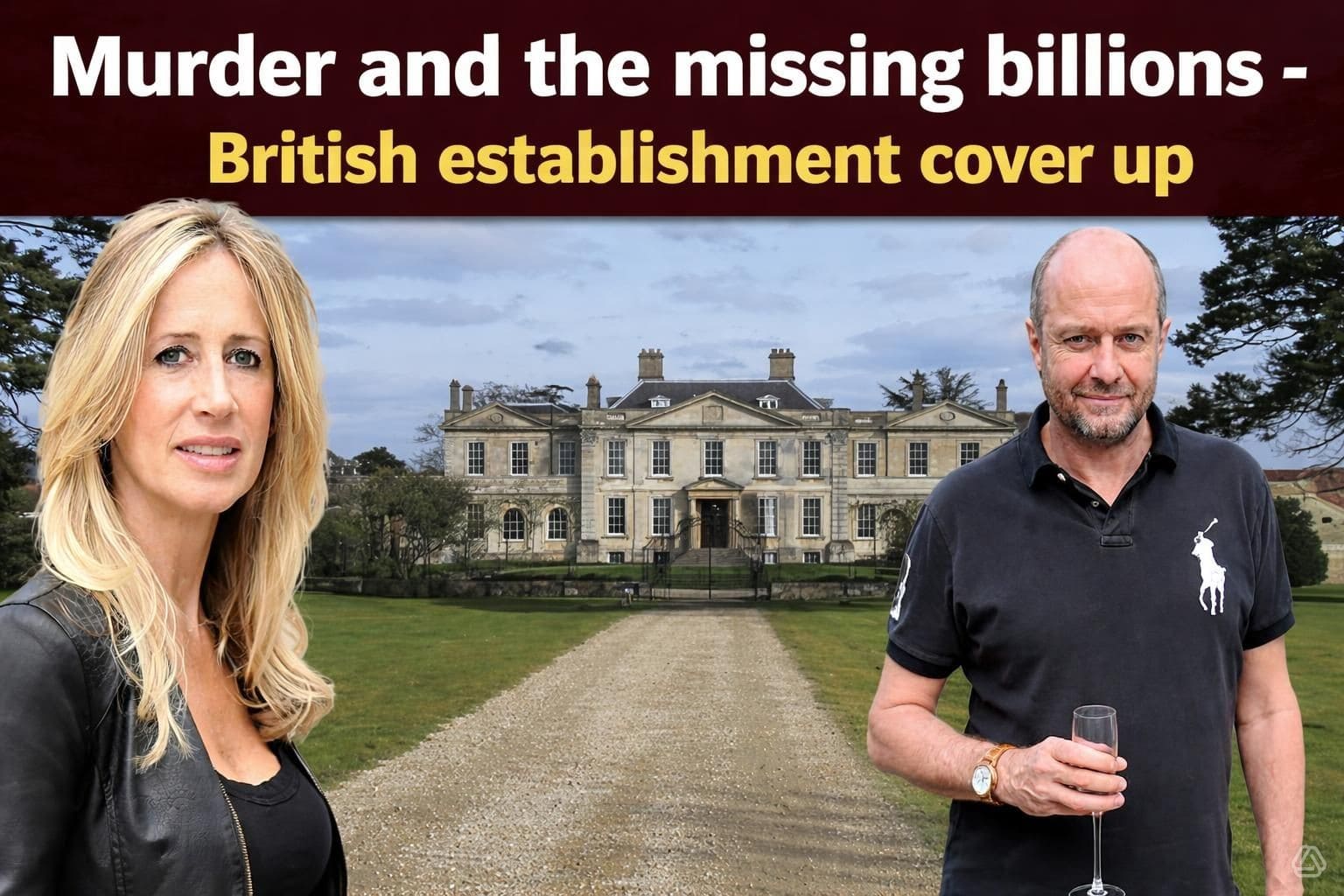
The “Cipriani Five” Ring of Death
Scot Young was one of five billionaire businessmen known as the “Cipriani Five”, all of whom met violent, suspicious deaths between 2010 and 2014:
- Paul Castle (November 2010): Multi-millionaire property developer, friend of Prince Charles, allegedly threw himself in front of a train at Bond Street station as he faced bankruptcy
- Boris Berezovsky (March 2013): Russian oligarch worth £500 million found dead in suspicious circumstances; coroner recorded open verdict
- Robbie Curtis (2012): Died at Kingsbury tube station after declaring bankruptcy in 2009
- Johnny Elichaoff (2015): Rock band manager fell to his death from shopping centre
- Scot Young (December 2014): Found impaled on railings after £4 billion estate vanished
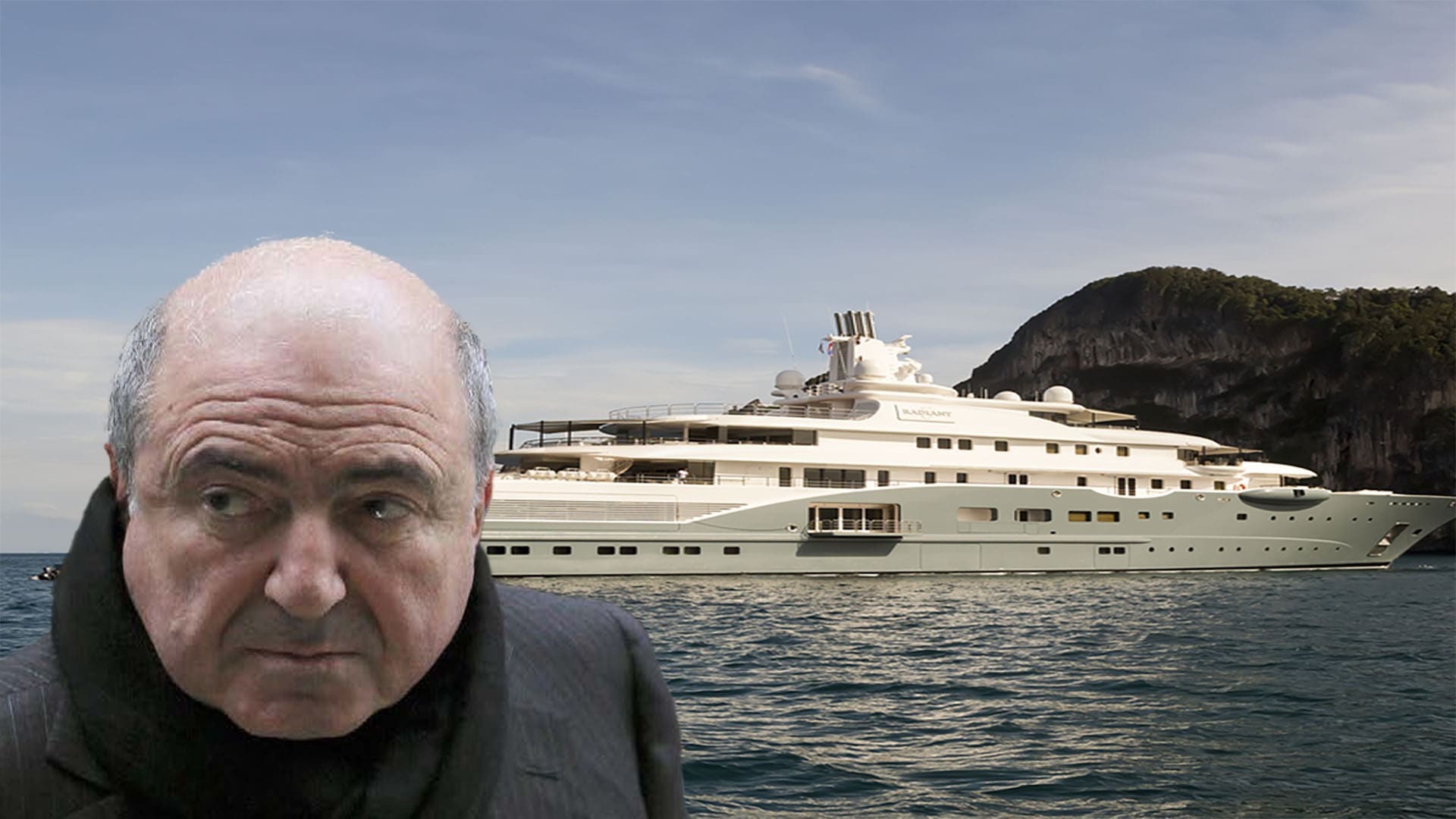
The late Boris Berezovsky and his 110-meter Radiant superyacht, Darius, he commissioned in 2004, costing a staggering €148,540,000
The common thread? All were immensely wealthy. All faced insolvency proceedings. All died violently. And in multiple cases, Grant Thornton served as bankruptcy trustees. The same ‘cabal’ of ‘Judges’ are identified as being involved in other high profile fraud and judicial misconduct scandals currently on the boil, but not yet spilling into the public domain.
The vanishing billions: Project Moscow — A sophisticated fraud
Young claimed to have lost his fortune in “Project Moscow,” a Russian property deal that allegedly collapsed. Court documents reveal this was a fabrication.
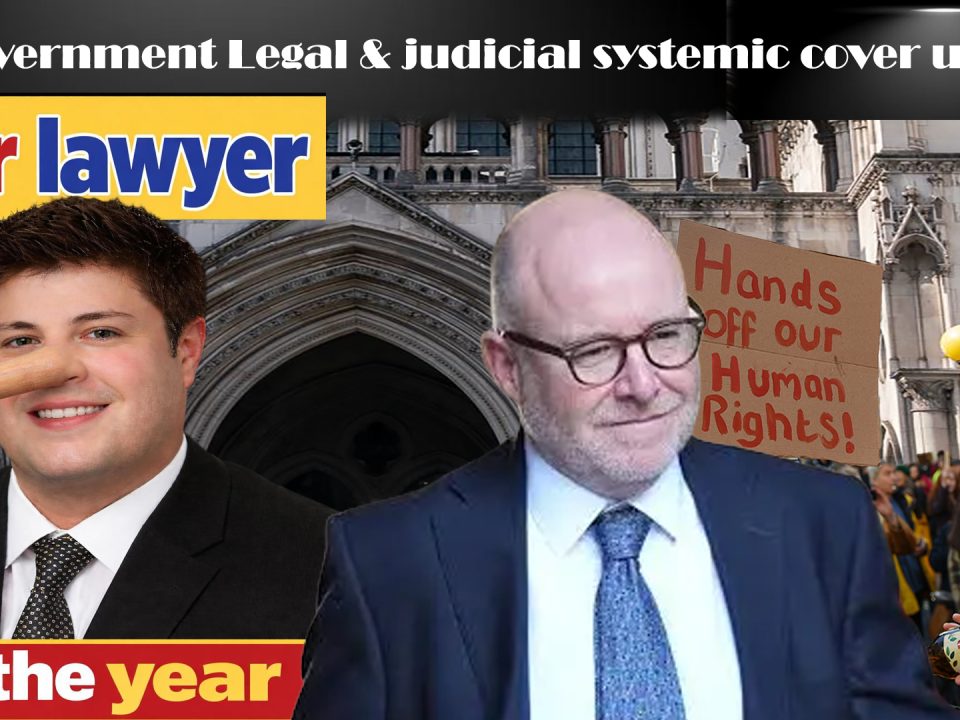
In November 2013 testimony, Young’s lawyer Stephen David Jones was forced to admit under oath that Young “personally didn’t lose any money” in Project Moscow. In fact, Jones himself had introduced the scheme — a front designed to conceal Young’s vast wealth during contentious divorce proceedings with his wife Michelle.
Evidence examined by investigators proves Young possessed over £800 million in documented assets as late as 2008, with the true estate value estimated at over £4 billion. Bank records show cheques totaling £58,500,487 paid from Young’s personal account in 2005-2006 alone.
Yet when Young was declared bankrupt in April 2010, trustees from Grant Thornton—David Ingram and Peter Hicken—claimed to have recovered not a single asset.
The lawyer who hoodwinked millions
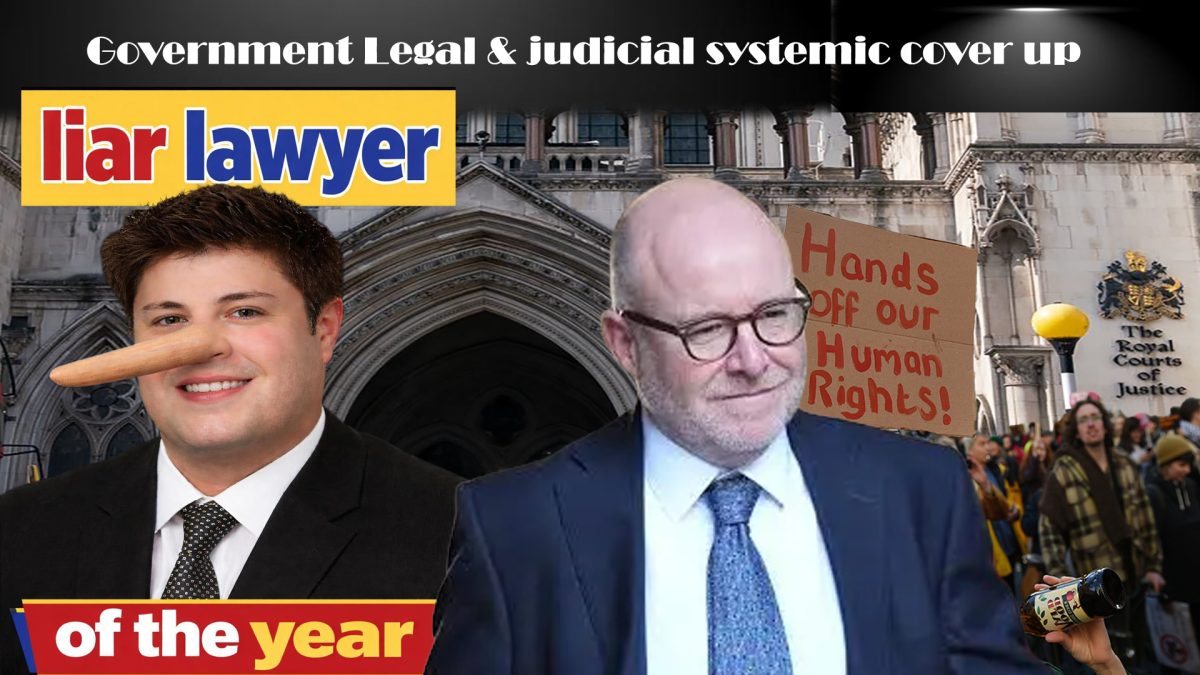
On 2 December 2022, Stephen David Jones was sentenced to 12 years at Southwark Crown Court for defrauding U.S. firm Discovery Land Company of $16 million. Judge Griffith condemned his “rank dishonesty” and expressed dismay that British authorities had failed to prosecute what was “such an obviously prosecutable case that was crying out for prosecution.“
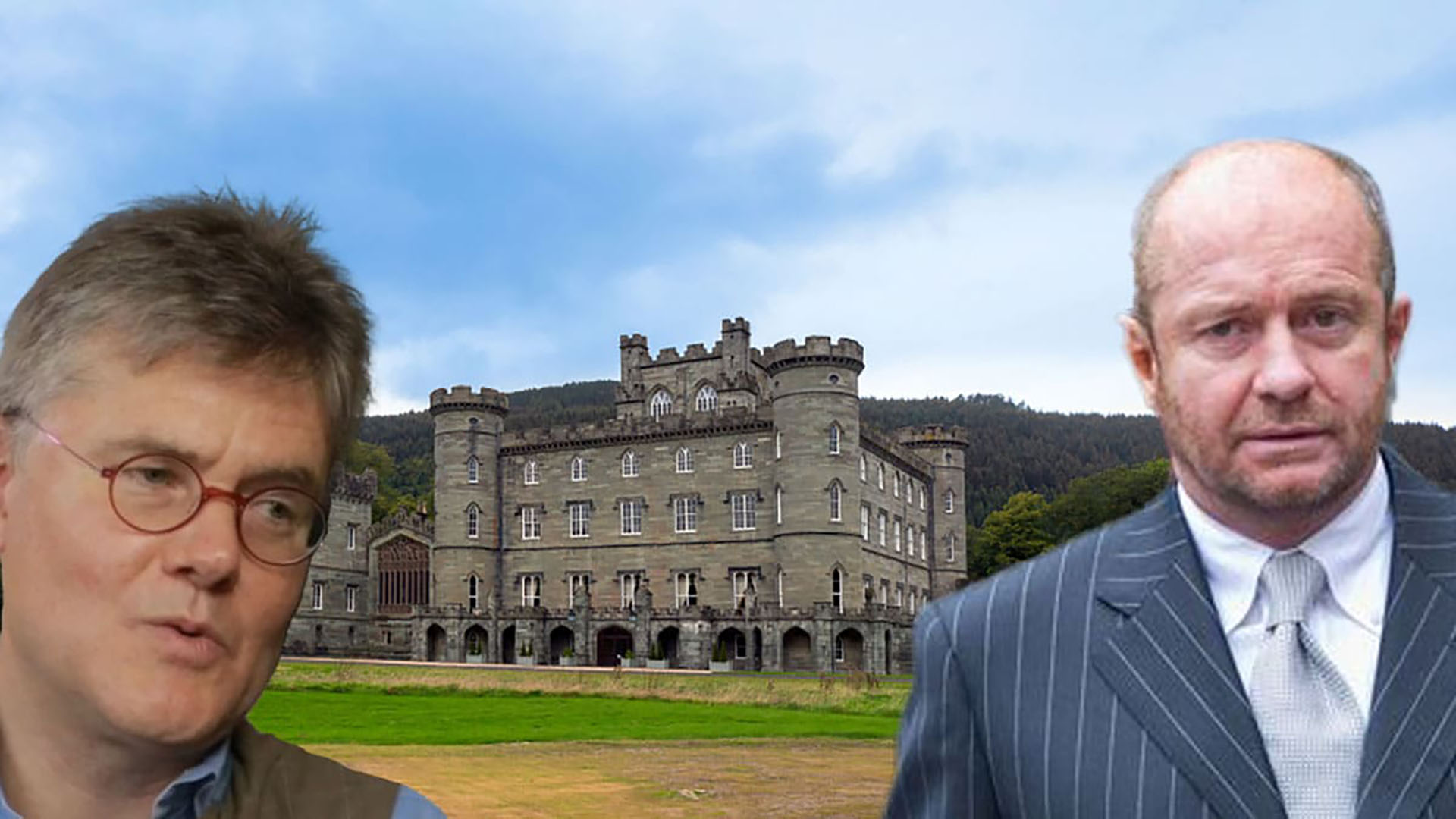
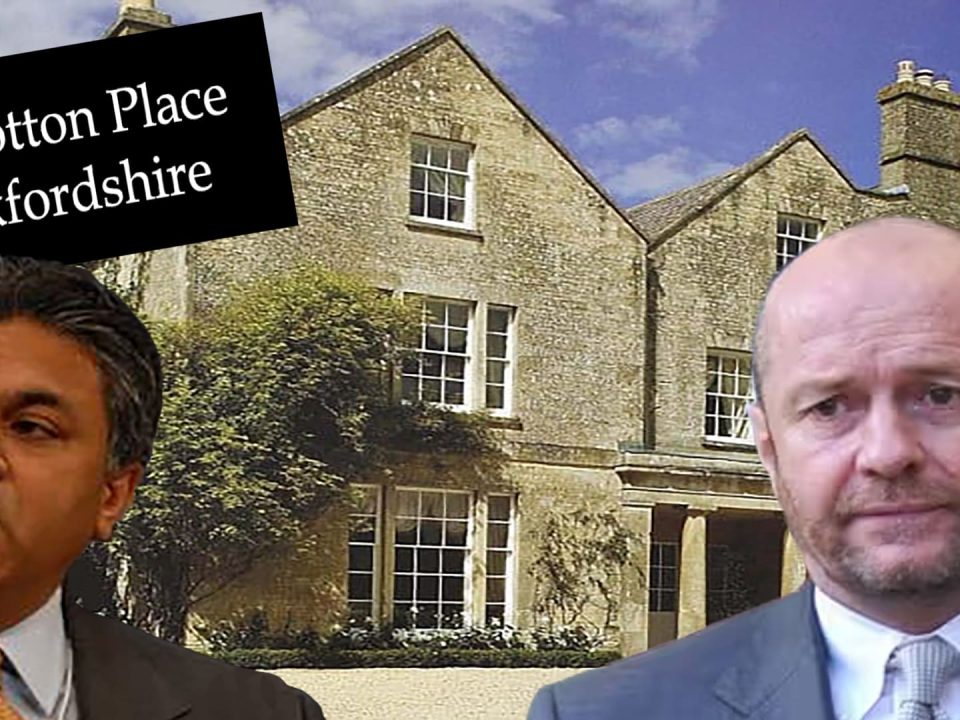
Left: Stephen David Jones. In the background Taymouth Castle, from which Jones stole $14,050,000 advanced to his firm to to cover the purchase price. Right: The late Scot Young, who entrusted Jones with a lasting power of attorney over his entire estate.
Jones, who qualified as a solicitor in 1986, was the architect of Young’s asset concealment strategy. In 2006, Young granted Jones lasting power of attorney to “restructure” assets through Jirehouse Capital’s offshore fiduciary network—a web of at least 79 shell companies spanning the British Virgin Islands and beyond.
Among the disappeared assets:
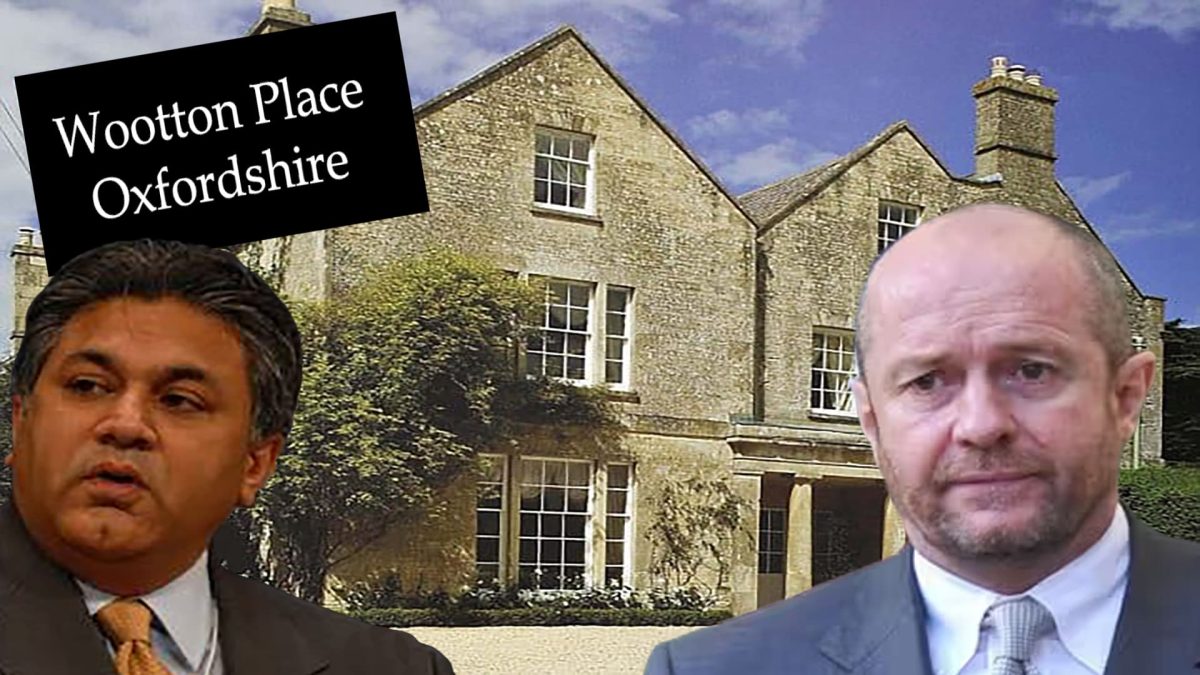
- Wootton Place, Oxfordshire: Transferred to BVI company Blondell Assets Ltd for £9.5 million just 18 days after Michelle announced divorce proceedings; mysteriously sold in 2020 for £12.25 million—six years after Scot’s death
- 39 Chester Terrace, London: Now worth over £7 million, held through BVI entity Balymena Equities S.A., in which Young held a 40% stake
- Miami properties valued at $8 million
- Bank accounts with balances exceeding $796,200 – with only the Joint Trustees in Mr Young’s bankruptcy plausibly having access to those funds.
Gwilym Michael Davies, a Young associate, admitted under oath in April 2011 that he was acting as “nominee shareholder and director for a number of Mr Young’s companies.” Despite this confession, Grant Thornton trustees took no action to recover these assets.
The insolvency conspiracy: How judges became accomplices
The investigation reveals that England’s judiciary played an active role in the fraud—systematically violating mandatory statutory duties to enable the asset stripping.
The life insurance scheme: Evidence of premeditated murder?
In October 2010—four years before Young’s death—Grant Thornton trustees David Ingram and Peter Hicken began making inquiries about Young’s life insurance policies.
This is extraordinary. Life insurance policies have no value to bankruptcy estates—they benefit only the beneficiaries upon the policyholder’s death. Young held three policies totaling £21,385,000, all structured in discretionary trusts with Michelle as sole trustee and beneficiary.
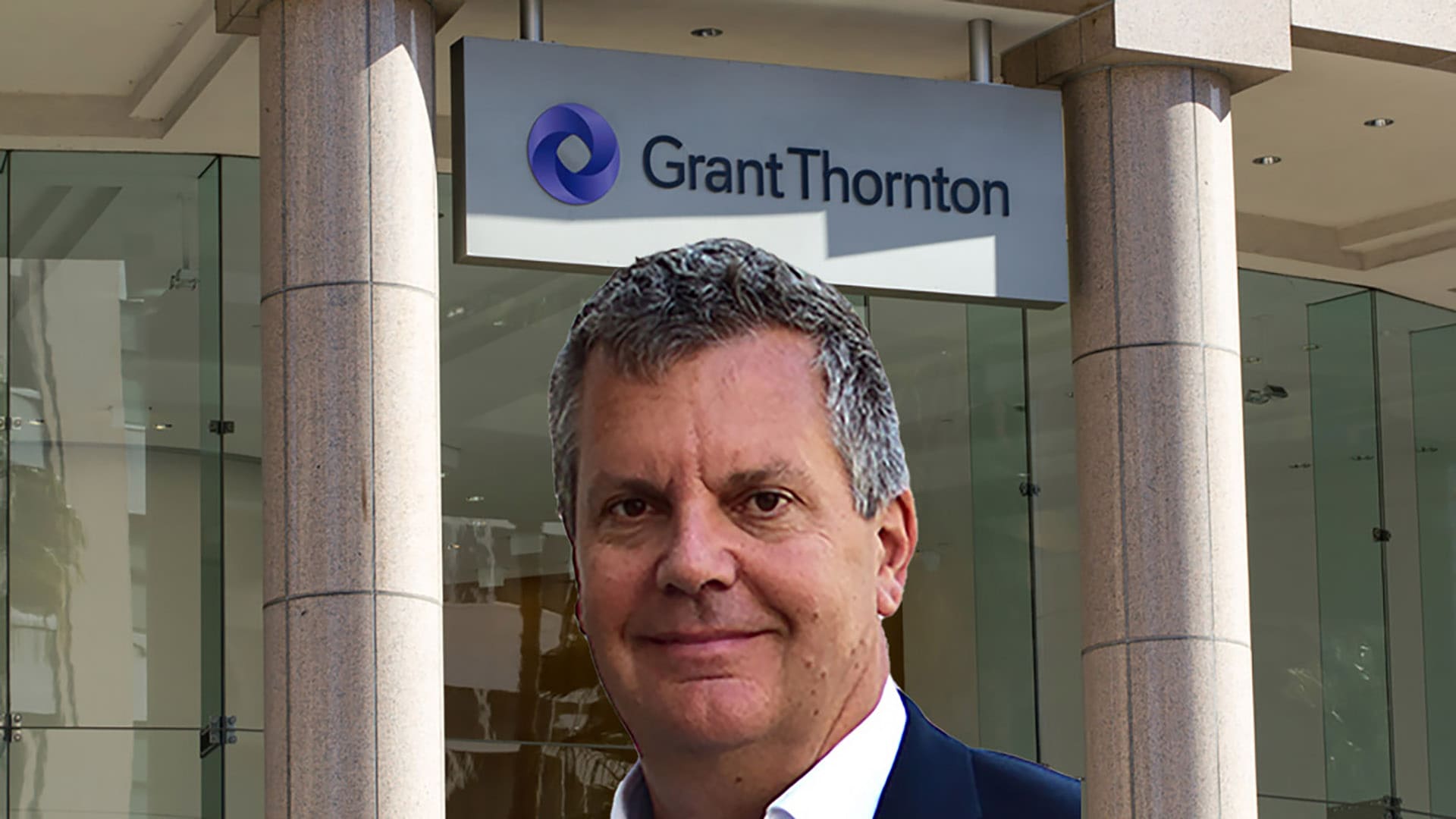
David Ingram (pictured) one of the two joint trustees in ‘bankruptcy’ alleged to be complicit
Zurich Insurance explicitly told Ingram on October 19, 2010 that the £1.385 million policy was held in trust for Michelle and her daughters and could not be surrendered. Nine months later, on August 8, 2011, Ingram demanded surrender again. Zurich repeated: the policy belongs to the beneficiaries.
Why would bankruptcy trustees be so fixated on life insurance policies in 2010 unless they knew Young was going to die?
The fraudulent bankruptcy of Michelle Young
After Young’s death, Michelle—as requisite majority creditor holding over 80% voting interest in Young’s bankruptcy estate with her £26.6 million court judgment—had the statutory right to replace the trustees who had failed to recover any assets.
The establishment moved to eliminate this threat.
In June 2015, Ingram and Hicken petitioned to bankrupt Michelle over an alleged £86,000 debt—fees they claimed to have incurred opposing Michelle’s application to annul Young’s bankruptcy.
The petition was fraudulent from inception
Under Section 323 of the Insolvency Act 1986, courts have a mandatory duty to apply “insolvency set-off” where there are mutual dealings between creditor and debtor. The Supreme Court affirmed in 2020 that this duty is “self-executing” and applies to “every type of mutual dealing.”
The mutual dealing was clear: Ingram and Hicken owed Michelle a fiduciary duty from December 2013 when she lodged her proof of debt. More critically, they knew since October 2010 that Michelle was trustee of life insurance policies worth £21.385 million — payable immediately upon Young’s death.
Registrar Garwood, presiding over Michelle’s bankruptcy hearing on July 20, 2015, deliberately failed to apply mandatory set-off. The transcript reveals the conspiracy:
Chris Branson (representing Grant Thornton trustees) falsely claimed the life insurance was “an asset in the bankruptcy” of Scot Young.
Registrar Garwood immediately provided cover: “What entitlement would she ever have to receive that money?”
Both knew the policies were Michelle’s assets. Both knew the £1.385 million Zurich payout alone would extinguish the alleged debt. Both knew courts typically adjourn bankruptcy petitions where there is “reasonable prospect of payment.”
Garwood admitted this principle in the hearing—then ignored it, making Michelle bankrupt to strip her of majority creditor status and her £26.6 million judgment (now worth over £44 million with interest).
The bankruptcy order is legally void—a nullity built on fraud. Yet it served its purpose: removing the only person with power to hold the trustees accountable.
The murder: Motive, means, and prime suspects
Exhibit A, an email from David Ingram to Scot Young dated October 30, 2014 is astounding.
Ingram proposes an Individual Voluntary Arrangement (IVA) that would pay non-Michelle creditors “around 0.1p in the £1” while Michelle would receive £5 million annually until her £31.7 million debt was satisfied.
Ingram notes that Stephen David Jones “would be happy for you to get on with your life.“
Scot Young was killed exactly five weeks later.
Michelle Young’s daughters arrived at the death scene two days later to collect belongings. They found Young’s girlfriend Noelle Reno and her assistant busily shredding hundreds of pages of documents.
Expert witnesses concluded it would have been “impossible for Mr Young to land in the position he did on the railings unless he was put there.” The windowsill ornaments were undisturbed. Young landed 2.70 meters from the building “as if he had been ejected through the open window by two very strong men, or placed there later.“
Michelle told investigators: “My husband had a fear of heights and would never, ever have resorted to jumping from the window.”
The financial motive is overwhelming. With Young dead:
- The life insurance policies would pay out immediately
- Michelle’s £26.6 million judgment could be neutralized through fraudulent bankruptcy
- The billions in concealed assets could be quietly distributed among conspirators
- No living witness could expose the scheme
Grant Thornton: A Pattern of Suspicious Insolvencies
Grant Thornton’s role extends beyond the Young case:
- Boris Berezovsky: Grant Thornton trustees Kevin Hellard and Nicholas Wood appointed after his suspicious death; estate worth £500 million reduced to £34 million
- Kevin Cash: Young associate worth £500 million on 2018 Rich List; declared bankrupt in July 2018 with Grant Thornton involved
- Multiple high-profile cases investigated show Grant Thornton trustees systematically failing to recover easily identifiable assets
The pattern suggests organized asset stripping under the guise of legitimate insolvency proceedings.
Judicial corruption at the highest levels
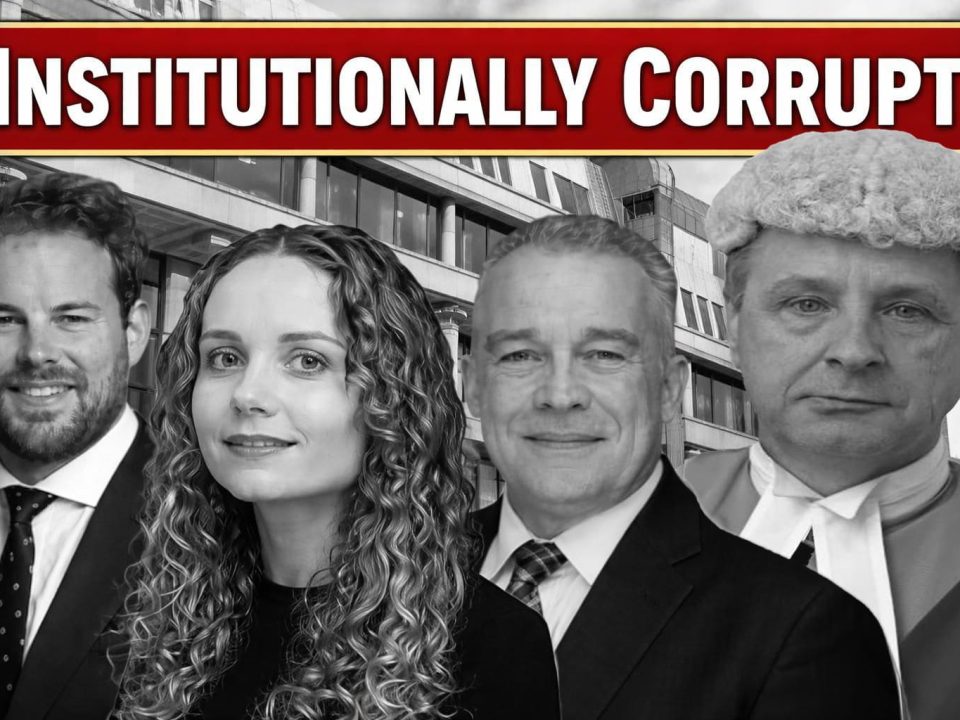
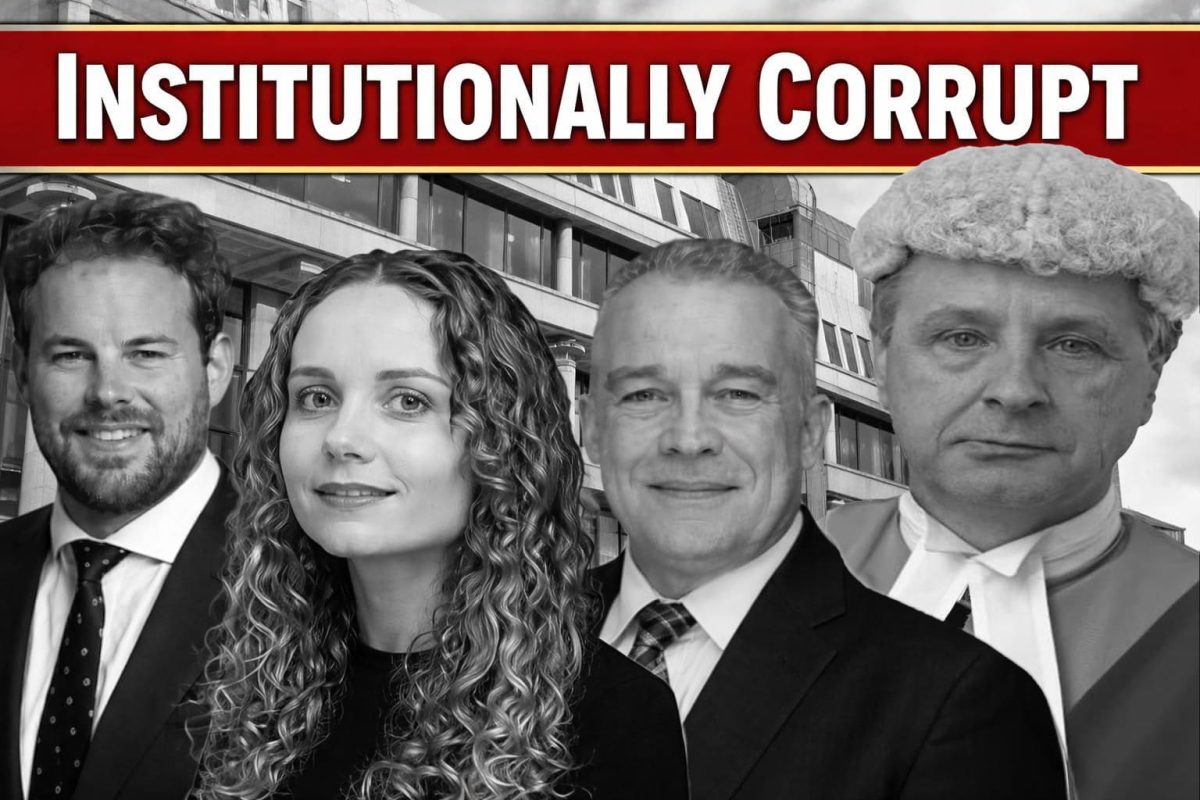
The investigation identifies multiple judges who violated their oaths:
- Registrar Garwood (deceased): Deliberately failed to apply mandatory set-off law in Michelle’s bankruptcy
- Andrew Hochhauser QC: Created fraudulent fee basis for bankruptcy petition while sitting as Deputy High Court Judge
- Mr Justice Arnold (now Lord Justice Arnold): Presided over Berezovsky estate reduction from £500m to £34m; identified as corrupt in multiple other cases
In December 2020, Lord Chief Justice Ian Burnett himself admitted there has been “unprecedented political interference in courts” and “nothing quite like it in my experience.“
Yet in his November 2022 retirement speech, Burnett claimed to have led “a wholly independent judiciary dedicated to the rule of law.” The contradiction is stark.
Section 3.1 of the Constitutional Reform Act 2005 imposes a legal duty on the Lord Chancellor and all with responsibility for the justice system to “uphold the continued independence of the judiciary.”
They have all failed. And in failing, they have enabled a criminal enterprise to operate at the heart of Britain’s legal system.
The establishment cover-up
Despite overwhelming evidence:
- Metropolitan Police refused to treat Young’s death as suspicious and conducted no meaningful investigation
- Crown Prosecution Service declined to prosecute Jones for his role in concealing Young’s assets until U.S. firm Discovery Land brought a private prosecution
- Thames Valley Police ignored requests to investigate the Wootton Place money trail
- Regulatory authorities have taken no action against Grant Thornton trustees despite documented failures
Judge Griffith’s condemnation bears repeating: It is “a great shame the British authorities were requiring an American company to undertake the Proceeds of Crime Act in this country” and “it is such an obviously prosecutable case that was crying out for prosecution.”
The UK has earned its reputation as “the economic crime capital of the world.” But as this investigation reveals, the most culpable fraudsters are the corrupt public officials and the judges they control.
Conclusion: A justice system beyond repair?
Michelle Young was right all along. So are the countless other victims of institutionalized fraud and corruption in the UK.
The evidence is incontrovertible:
- Scot Young’s £4 billion estate was systematically looted by lawyers and insolvency practitioners
- Judges deliberately violated mandatory statutory duties to enable the fraud
- Michelle Young was unlawfully bankrupted to silence her and strip her of her £26.6 million judgment
- Life insurance inquiries four years before Young’s death suggest premeditated murder
- Five billionaires connected to the same insolvency networks died violently within four years
- Law enforcement and regulatory authorities covered up the crimes
Lord Chief Justice Burnett claimed Britain has an “independent judiciary dedicated to the rule of law.”
The evidence proves otherwise.
Britain’s justice system is a criminal enterprise. And until those at the top are held accountable, no business, no investor, no citizen is safe.
As Michelle Young concluded: “The only mafia in this case is the mafia embedded within the Crown’s legal and financial networks. Asset stripping in England is organized crime sanctioned by the Crown.”
Deceit lasts only until the truth is told.